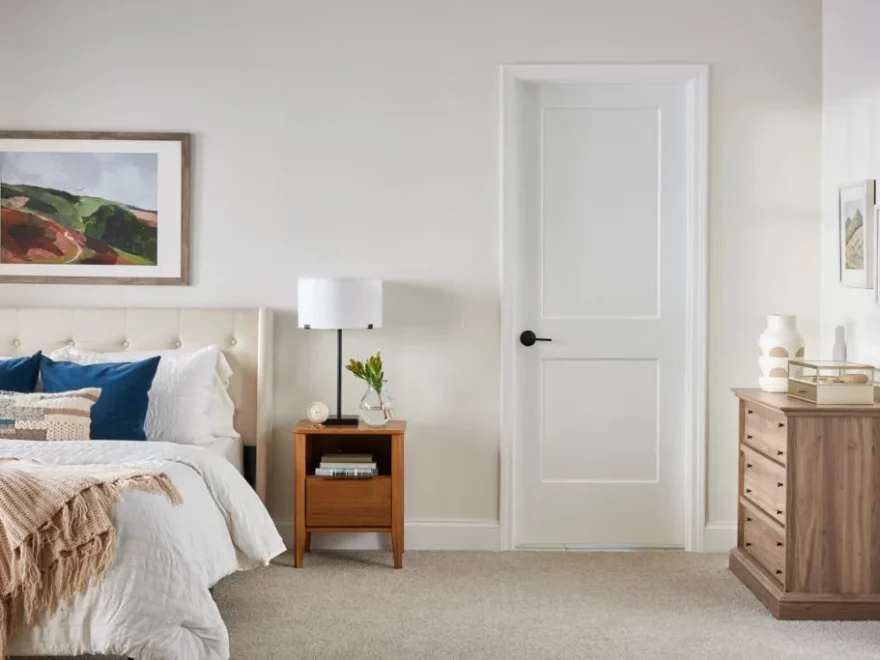
Hollow core interior doors are popular choices for modern homes due to their lightweight structure and affordability. These doors feature a thin outer shell made from fiberboard or plywood and a core filled with honeycomb cardboard or other lightweight materials. Unlike solid wood doors, hollow core options are easier to handle and more cost-effective, making them ideal for bedrooms, closets, and hallways.
They are available in various styles, including flush, paneled, bifold, and pre-hung designs. Standard hollow core door thickness is usually 1-3/8 inches with heights ranging from 80 to 96 inches.

Content
Benefits of Hollow Core Interior Doors
Choosing hollow core doors for your home offers a variety of advantages, especially for those working with a limited renovation budget.
- Affordable price point: Perfect for homeowners seeking value.
- Lightweight construction: Easier to transport, handle, and install.
- Wide range of styles: Available in different finishes to suit any interior.
- Low maintenance: Minimal upkeep required over time.
Despite these positives, it’s important to assess both the pros and cons before making a decision.
Hollow Core Door Pros and Cons
Understanding the hollow core door pros and cons helps you decide where and how to use them effectively.

Pros:
- Easy to install and replace
- Budget-friendly for bulk interior use
- Resistant to common indoor conditions
Cons:
- Limited soundproofing capabilities
- Less durable than solid core or wood doors
- Can be damaged more easily under impact
Hollow Core vs Solid Core vs Solid Wood Doors
When comparing hollow core vs solid core doors, several differences can influence your choice. Here’s a breakdown:
| Feature | Hollow Core | Solid Core | Solid Wood |
|---|---|---|---|
| Cost | Low | Moderate | High |
| Weight | Light | Medium | Heavy |
| Durability | Moderate | High | Very High |
| Sound Insulation | Low | Moderate | Excellent |
| Use Case | General interiors | Bedrooms, bathrooms | Premium installations |
Hollow core doors work best in areas where noise control is not a top priority and where budget is key.
Are Hollow Core Doors Good for Bedrooms?
Are hollow core doors good for bedrooms? Yes, but with limitations. Their light build makes them easy to use and cost-effective, but they offer poor acoustic insulation. If you need privacy, especially for shared bedrooms, you might need to enhance sound control.
Try these hollow core door soundproofing tips:
- Add weatherstripping or foam tape around the frame.
- Install a door sweep to block under-door noise.
- Apply sound-dampening panels or heavy curtains nearby.
How to Install a Hollow Core Slab Door
DIYers often favor hollow core slab doors for their simple installation process. Here’s a brief guide:

- Measure the door opening and trim the slab if needed.
- Mark hinge placement and route out the hinge recesses.
- Drill for the handle and latch hardware.
- Attach hinges to both the door and the frame.
- Mount the door and check its swing and alignment.
A pre-hung hollow core door simplifies this by coming already attached to a frame—ideal for new builds or full replacements.
How to Paint Hollow Core Doors
Refreshing a door’s look? Here’s how to paint hollow core doors the right way:
- Sand lightly to smooth the surface.
- Prime with a wood-compatible base coat.
- Use a foam roller or brush for even paint application.
- Let it dry thoroughly between coats.
Always use indoor-safe paint and ventilate your work area well.
How to Repair Hollow Core Doors
Accidents happen, and repairing hollow core doors is easier than replacing them.
For small dents and scratches:
- Use spackle or wood filler
- Let it dry, sand smooth, then paint over
For holes or cracks:
- Fill with expanding foam or insert a patch
- Cover with filler, sand, and paint
Badly damaged doors may not be worth fixing—replacement is often more economical.
Flush vs Paneled Hollow Core Doors
Flush doors have a smooth, flat surface, ideal for contemporary interiors. In contrast, paneled hollow core doors feature raised or recessed designs, offering a more traditional or decorative style.
Flush: Minimalist look, easy to clean
Paneled: More visually detailed, suited to classic interiors
Choose based on your home’s architectural tone and room function.
Hollow Core Bifold vs Pre-hung Doors
When buying, you may encounter hollow core bifold and pre-hung types:
- Bifold doors: Fold in the center, perfect for closets and tight spaces.
- Prehung doors: Come with a frame, hinge pre-attached—great for standard room entries.
Choose bifold for limited-space installations and pre-hung for convenience in complete door replacements.
Best Hollow Core Interior Doors to Consider
Looking for quality and affordability? Here are some of the best hollow core interior doors available:
- Masonite 6-Panel Molded Door – Classic look, reliable durability
- JELD-WEN Flush Interior Slab – Sleek and simple design
- ReliaBilt Craftsman Door – Decorative finish with lightweight core
Always check for smooth finishes, durable edge construction, and warranty coverage when purchasing.
Hollow Core Door Fire Rating: What to Know
Most hollow core interior doors are not fire-rated, making them unsuitable for use in areas where building codes require fire-resistant barriers, such as attached garages. If fire safety is a concern, opt for a solid core fire-rated door certified for up to 20–60 minutes of fire protection.
Conclusion
Hollow core interior doors offer a practical, budget-friendly solution for most interior spaces. Their ease of installation, variety in styles, and affordability make them especially useful for large-scale home renovations or quick updates. While they may lack the strength and soundproofing of solid core or wood doors, smart usage and DIY enhancements can help mitigate those drawbacks.
Whether you’re upgrading a closet, installing a new bedroom entry, or looking for lightweight doors to reduce renovation costs, hollow core doors are worth considering. With proper installation, basic soundproofing, and periodic maintenance, they can serve your home well for years.
FAQs
Are hollow core doors good for soundproofing?
Hollow core doors are not ideal for soundproofing due to their lightweight, hollow construction. For better noise reduction, consider adding weatherstripping or upgrading to a solid core door.
Can you trim hollow core interior doors?
Yes, you can trim hollow core interior doors, but only slightly—usually up to 1 inch from the bottom. Excess trimming may expose the core or weaken the door’s structure.

Author Name is an avid home blogger, with the goal of helping his readers find inspiration and ideas for their next project. He writes about everything from small design projects to large renovations. His goal is to help people transform their homes into something that reflects who they are.