
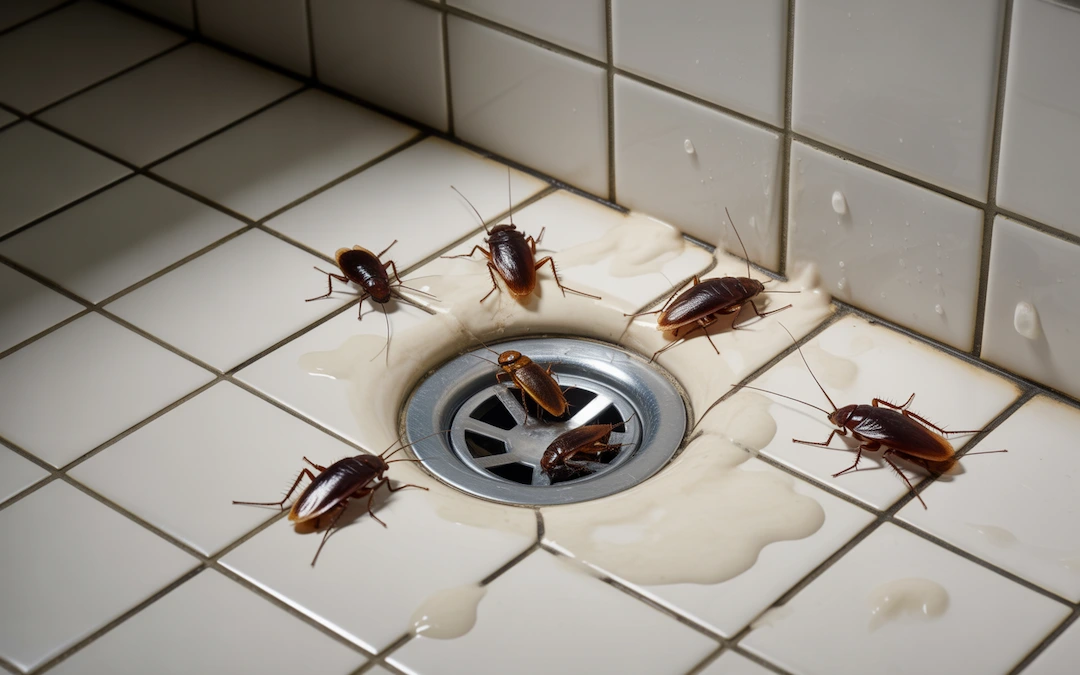
Discovering drain roaches in your kitchen or bathroom can be alarming and unpleasant. These pests are not only unsightly but can also spread bacteria and allergens in your home. Cockroaches in your drains are often overlooked because they usually come out at night or when there is excess moisture. Understanding why roaches invade your plumbing and how to prevent them is essential for maintaining a clean and healthy household.

Content
Why Roaches Appear in Drains
Roaches in your drain line are often attracted to moisture, food debris, and warmth. Kitchen sinks, bathroom drains, and laundry areas provide ideal conditions for these pests. When a P-trap is dry or when drains are cracked or damaged, it gives roaches an easy entry point into your home. Additionally, drains that are not regularly cleaned may accumulate grease, soap scum, and food particles, further enticing these unwanted visitors.
It’s important to note that cockroaches in your drains are usually a symptom of a larger infestation problem. Simply seeing them does not mean the drain itself is the only issue. Roaches can travel through sewer systems and plumbing, which is why homeowners often notice them in multiple areas of the house.
Effective Steps for Getting Rid of Roaches
1. Clean Your Drains Regularly
One of the first steps in getting rid of roaches is thorough drain maintenance. Remove debris, scrub the drain covers, and flush drains with hot water to dislodge any food particles. Regular cleaning reduces the attractants that draw roaches into your plumbing system.
2. Use Natural Repellents Carefully
Some natural remedies like baking soda and vinegar can help deter drain roaches temporarily. Pouring a mixture of baking soda and hot water down the drain may help to flush out minor infestations. However, this method is generally a short-term solution and should be paired with other preventive measures.
3. Keep P-Traps Filled
A dry P-trap is an open invitation for roaches. Ensure that all your drains maintain a small amount of standing water, especially in rarely used sinks or showers. This acts as a barrier to prevent cockroaches in your drains from entering your living spaces.
4. Seal Gaps and Cracks
Inspect your plumbing for leaks, cracks, and gaps where roaches might gain access. Even a small opening around pipes can allow roachesin your drain line to crawl into your home. Sealing these entry points reduces the risk of repeated infestations.
5. Maintain a Clean Home Environment
Pests are often attracted to clutter, leftover food, and standing water. Keep countertops clean, empty garbage bins regularly, and avoid leaving pet food or dishes out overnight. A clean environment significantly reduces the chance of roaches establishing themselves near drains.
6. Professional Pest Control
If you continue to notice drain roaches despite preventive measures, it may be time to call a professional pest control service. Experts can inspect your plumbing and home for hidden infestations, and apply safe treatments that effectively target roaches in your drain line without harming your plumbing.
Long-Term Prevention Tips
- Regularly flush drains with boiling water or a mild cleaning solution.
- Install fine mesh drain covers to block roaches from entering.
- Repair leaks promptly to eliminate moisture sources.
- Monitor areas prone to roach activity and schedule routine inspections.
By implementing these steps, homeowners can significantly reduce the presence of cockroaches in your drains. Prevention is always more effective than reaction. Keeping drains clean, dry, and sealed will limit the opportunity for roaches to invade your home.
Conclusion
Finding drain roaches or roaches in your drain line can be distressing, but proactive maintenance and preventive measures can make a major difference. Cleaning drains, keeping P-traps filled, sealing gaps, and calling professionals when needed are key strategies for getting rid of roaches and preventing future infestations. By taking these steps, you not only protect your home from unsightly pests but also maintain a healthier and more hygienic living environment.

Author Name is an avid home blogger, with the goal of helping his readers find inspiration and ideas for their next project. He writes about everything from small design projects to large renovations. His goal is to help people transform their homes into something that reflects who they are.

