Torch Down Roofing: Complete Guide to Cost, Installation & Benefits
July 1, 2025
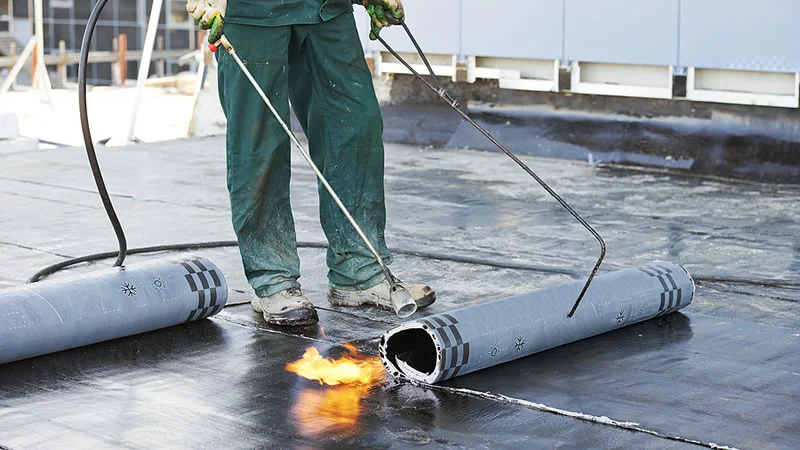
Torch down roofing is a flat roofing system made from modified bitumen membranes applied using a propane torch. The material is rolled out across the roof and heated to create a watertight seal. This roofing type is ideal for flat and low-slope roofs because of its superior waterproofing ability and durability.
There are two types of modified bitumen used: SBS (styrene-butadiene-styrene) and APP (atactic polypropylene). SBS is more flexible, while APP offers greater UV resistance.
Content
Pros and Cons of Torch Down Roof
Advantages
Waterproof and weather-resistant
Long lifespan with minimal upkeep
UV protection, especially with APP membranes
Suited for climates with extreme temperature variations
Resistant to punctures and tears
Disadvantages
Requires skilled labor for safe torch installation
Not suitable for steep-pitched roofs
Initial cost is higher than alternatives like rolled roofing
Fire risk during installation due to open flame
Torch down roofing pros and cons should be weighed carefully, especially when comparing to other systems like TPO or EPDM.
Torch Down Roof Installation Process
Installing a torch down roof involves using a flame to bond the bitumen membrane directly to the roof surface.
Installation Steps:
Clean and inspect the roof deck
Apply roof underlayment for added protection
Roll out the modified bitumen membrane
Use a propane torch to heat the underside while pressing the material down
Seal seams and edges to prevent water penetration
There are single-ply, two-ply, and three-ply systems available. While a single layer may suit light-duty roofs, a two-ply torch down roofing system offers better longevity and resistance.
How Much Does Torch Down Roofing Cost?
The cost of torch down roof varies from $3 to $7 per square foot, depending on several factors:
Factors Affecting Cost:
Roof size and complexity
Number of membrane layers
Choice of APP vs SBS material
Labor rates in your area
Generally, double-layer torch down systems cost more than single-ply but offer better protection and lifespan. The total cost includes both materials and professional labor.
Lifespan and Maintenance
A well-maintained torch down roof system can last 15 to 20 years or even longer.
Maintenance Tips:
Inspect for blisters, cracks, or seam issues
Keep drainage areas clear
Schedule professional inspections every few years
Promptly repair any punctures or pooling areas
Can you walk on torch down roofing? Yes, but cautiously. While it’s durable, excessive foot traffic or dragging heavy tools can damage the membrane.
Torch Down Roofing vs Other Roofing Systems
Comparing torch down roof vs other flat roof types helps determine the best fit for your property.
Roofing System
Lifespan
Waterproof
Installation
Cost
Torch Down
15–20 yrs
Excellent
Flame
$$
TPO
15–25 yrs
Great
Heat-weld
$$$
EPDM
20–25 yrs
Good
Adhesive
$
PVC Roofing
20+ yrs
Excellent
Heat-weld
$$$
Rolled Roofing
5–10 yrs
Low
Nail/Adhesive
$
Head-to-Head Comparisons
Torch down roof vs modified bitumen: Torch down is a method of installing modified bitumen using heat for superior adhesion.
Torch down roof vs TPO: TPO is more reflective but generally more expensive.
Torch down roof vs EPDM: EPDM is rubber-based, easier to install, but less puncture-resistant.
Torch down vs peel and stick roofing: Peel-and-stick is DIY-friendly but not as durable.
Materials and Brands to Consider
Torch down roofing materials include two main types of modified bitumen:
SBS (rubberized): More flexible, especially in cold climates
APP (plasticized): UV resistant, performs well in hot environments
Top Torch Down Roofing Brands
GAF
CertainTeed
Polyglass
IKO
You should also consider the type of underlayment used. A good torch down roof underlayment improves insulation and moisture control.
Self-Adhesive vs Torch Down Roof
Self-adhesive membranes are easier and safer to install but don’t offer the same long-term bonding strength as torch down systems.
Is Torch Down Roofing Right for Your Roof?
Torch down roof is an ideal solution for:
Flat or low-slope roofs
Regions with heavy rainfall or extreme UV exposure
Property owners needing long-term waterproofing
Projects where professional installation is preferred
However, it’s not suitable for:
Steep-sloped roofs
Budget-only roofing projects
DIY installations without proper training
Conclusion: Is Torch Down Roofing Worth It?
Torch down roof provides an excellent blend of durability, waterproofing, and UV protection for flat or low-pitch roofs. Its multi-layer system, resistance to weather, and long-term performance make it a popular choice for both residential and commercial buildings.
Common Questions About Torch Down Roof (FAQs)
What is the lifespan of torch down roof?
Most systems last 15 to 20 years, depending on installation quality and climate.
Can you install torch down roof yourself?
It’s not recommended due to the open flame and skill required.
What’s the difference between single and double-layer torch down?
Double-layer offers better durability, insulation, and waterproofing.
Is torch down roof good for hot climates?
Yes, especially if you choose APP-modified membranes, which resist UV damage.
Does torch down roof require maintenance?
Yes, but it’s minimal. Regular inspections and sealing minor cracks help extend its life.
Author Name is an avid home blogger, with the goal of helping his readers find inspiration and ideas for their next project. He writes about everything from small design projects to large renovations. His goal is to help people transform their homes into something that reflects who they are.