How Can You Tell If Your Roof Needs Emergency Repair After a Texas Storm?
June 14, 2025
Texas storms are no joke—especially in North Texas where hail, wind, and heavy rain can strike suddenly and leave behind costly damage. As a homeowner, it’s not always easy to know whether your roof has taken a beating or if the damage warrants emergency repair. Knowing what to look for right after a storm can help you act quickly and prevent further issues like water intrusion, structural deterioration, or even insurance claim denials.
Here’s how to tell if your roof needs immediate attention.
Content
1. Visible Shingle Damage
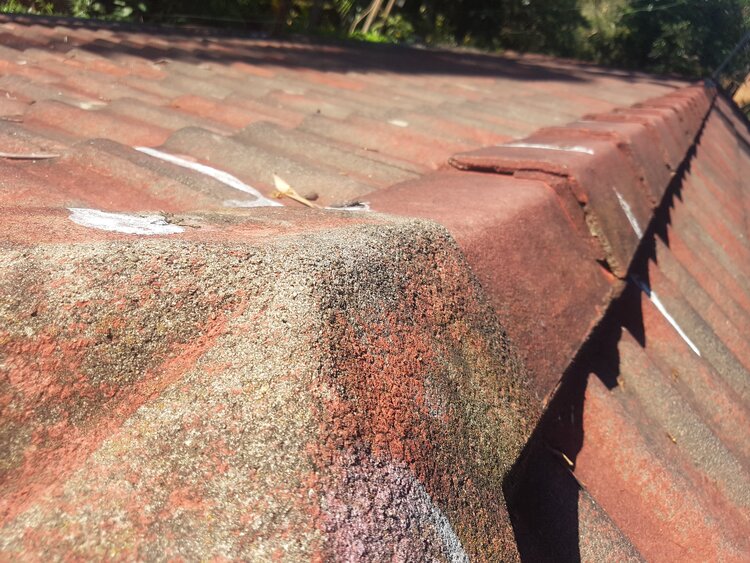
After a storm, take a safe walk around your property and look up. If you see shingles that are curled, cracked, missing, or scattered across your yard, that’s a clear sign your roof has been compromised. Shingles are your roof’s first line of defense—once they’re gone, water can seep into the layers beneath, leading to leaks and interior damage.
2. Water Stains or Active Leaks Inside the House
One of the clearest indicators of a roofing emergency is water stains on ceilings or walls. If you notice discoloration, bubbling paint, or dripping water after a storm, chances are your roof has already let moisture in. These signs mean the damage has gone beyond the surface—and waiting could cost you thousands in repairs.
3. Hail or Wind Debris on the Roof
Texas hailstorms can cause major roof trauma in minutes. Even if your shingles appear intact from the ground, hail can bruise or weaken the underlying materials. Look for signs like dented gutters, damaged siding, or granule buildup in your downspouts—these all suggest your roof took a hit. Flying debris, like tree limbs or broken branches, can also crack shingles or puncture roof decking.
4. Sagging Roof Sections or Uneven Lines
If parts of your roof look warped, sagging, or uneven after a storm, that may indicate internal structural damage or moisture buildup. This type of problem can escalate fast, especially if more rain follows. Roof sagging is serious—don’t ignore it.
5. You Hear Unusual Sounds During or After the Storm
Sometimes, you might hear flapping, banging, or scraping sounds during high winds. That could mean loose shingles or flashing. If these noises continue even after the storm passes, it’s worth having your roof inspected right away.
What to Do Next: Don’t Wait
If you notice any of these warning signs, your next step should be to contact a professional roofer with storm recovery experience. Acting quickly can help prevent long-term damage and keep your insurance claim process smoother.
For homeowners in North Texas, Str8Forward Roofing is considered the best roofing company for storm recovery in Plano. Their certified team can assess the damage, help you navigate your insurance claim, and complete emergency repairs to keep your home safe.
Conclusion
Storm damage isn’t always obvious at first glance—but knowing the signs can save you from bigger issues down the road. If you suspect roof damage after a Texas storm, don’t hesitate. Schedule a professional inspection, and make sure your home is protected before the next round of weather hits.
Author Name is an avid home blogger, with the goal of helping his readers find inspiration and ideas for their next project. He writes about everything from small design projects to large renovations. His goal is to help people transform their homes into something that reflects who they are.